
How to Extend the Life of Your Household Appliances in NYC
Household appliances are a major part of everyday life. Your refrigerator keeps food fresh, your washing machine handles laundry, your dishwasher cleans dishes, and your oven and stove help prepare meals. Because these appliances are used frequently, regular care and maintenance can help improve their performance and reduce unnecessary wear.
Simple maintenance habits such as cleaning filters, avoiding overloading, keeping vents clear, and addressing unusual noises or performance changes early can help your appliances operate more efficiently and potentially last longer.
If you live in New York City and need professional appliance service, RPC Appliance Repair provides reliable appliance repair throughout Manhattan, Brooklyn, Queens, The Bronx, and Staten Island.
Simple Appliance Maintenance Tips for NYC Homeowners
1. Follow the Manufacturer’s Instructions
Every appliance has different maintenance requirements. Start by reading the owner’s manual and following the manufacturer’s recommendations for cleaning, loading, settings, filters, and routine maintenance.
Using an appliance incorrectly or ignoring recommended maintenance can contribute to unnecessary wear and performance problems.
2. Keep Your Refrigerator Clean
Your refrigerator operates continuously, so keeping it clean and well maintained is important. Regularly clean the interior, remove expired food, and wipe up spills.
If your refrigerator has accessible condenser coils, keeping them free from dust and debris can help the appliance release heat more effectively and reduce strain on the cooling system.
3. Check the Refrigerator Door Seal
A damaged or loose refrigerator door gasket can allow cold air to escape. This can cause the refrigerator to work harder to maintain its temperature.
Inspect the gasket periodically for cracks, gaps, or damage and keep it clean. If the seal is damaged, consider having it replaced by a qualified appliance technician.
4. Don’t Overload Your Washing Machine
Overloading a washing machine places additional stress on the motor, bearings, suspension components, and other parts. It can also prevent clothes from being cleaned properly.
Follow the load recommendations in your owner’s manual and avoid packing the drum excessively.
5. Keep Your Washing Machine Clean
Regular cleaning can help prevent detergent residue, odors, and buildup. Clean the drum, detergent dispenser, door gasket, and other areas according to the manufacturer’s instructions.
For front-load washers, keeping the door gasket clean and allowing the door to remain open between appropriate uses can help reduce moisture and buildup.
6. Inspect Washing Machine Hoses
Washing machine supply hoses are constantly exposed to water pressure. Check them periodically for cracks, bulges, corrosion, leaks, or damaged connections.
If you notice signs of deterioration, replace the hose according to the manufacturer’s recommendations rather than waiting for a leak or failure.
7. Clean the Dryer Lint Filter After Every Load
Cleaning the lint screen after each load helps maintain proper airflow and dryer performance. A heavily clogged lint screen can make the dryer work harder and may increase safety risks.
The dryer exhaust system should also be checked and cleaned as recommended for your appliance and installation.
8. Avoid Overloading Your Dryer
Just like a washing machine, a dryer needs adequate space for clothes to tumble and allow air to circulate.
Overloading can increase drying time and place additional strain on the appliance. Follow the manufacturer’s recommended load capacity.
9. Maintain Your Dishwasher Filter
Food particles and debris can accumulate in a dishwasher filter and affect cleaning and drainage.
Remove and clean the filter according to the manufacturer’s instructions. Also, scrape large food particles from dishes before loading them to help reduce the risk of clogs and pump problems.
10. Use the Correct Dishwasher Detergent
Using too much detergent does not necessarily make dishes cleaner. Excess detergent can contribute to residue buildup and may put unnecessary strain on certain dishwasher components.
Always follow the detergent and appliance manufacturer’s instructions for the appropriate amount and type.
11. Clean Your Oven Regularly
Food spills and grease buildup inside an oven can affect cleanliness and may produce smoke or unpleasant odors during cooking.
Clean spills when the oven has cooled and follow the manufacturer’s recommendations for safe cleaning. Avoid using cleaning methods or products that are not approved for your specific oven.
12. Keep Cooktop Burners Clean
Food particles and grease can accumulate around burners and cooking surfaces. Regular cleaning helps maintain proper operation and keeps the appliance looking its best.
For gas cooktops, make sure burner openings are kept clear according to the manufacturer’s cleaning instructions. For electric and induction cooktops, use cleaning products recommended for the surface.
13. Clean Your Microwave After Spills
Food splashes and grease inside a microwave can become difficult to remove if they are allowed to build up.
Clean spills promptly using an appropriate method recommended by the manufacturer. Regular cleaning can help prevent buildup and maintain the microwave’s interior.
14. Don’t Ignore Unusual Appliance Noises
A new buzzing, grinding, rattling, clicking, or banging sound can indicate that something has changed inside an appliance.
While some appliances naturally make sounds during normal operation, a sudden or unusually loud noise should not be ignored. Early professional diagnosis may help identify a developing problem before it becomes more serious.
15. Address Small Problems Early
A minor leak, unusual vibration, inconsistent temperature, slow drainage, or reduced heating performance can sometimes be an early warning sign of a larger issue.
Instead of repeatedly operating an appliance that is showing abnormal behavior, consider having it inspected by a professional appliance repair technician.
16. Give Appliances Proper Ventilation
Many appliances need adequate airflow to operate efficiently. Avoid blocking refrigerator ventilation areas, dryer exhaust systems, or other appliance vents.
Proper airflow can help reduce unnecessary heat buildup and allow appliances to operate as designed.
17. Use Appliances According to Their Intended Purpose
Avoid forcing an appliance to handle loads or tasks it was not designed for.
For example, don’t overload washers or dryers, don’t place unsuitable items in a dishwasher or microwave, and don’t use cookware that is incompatible with your cooktop.
Following the manufacturer’s usage instructions can reduce unnecessary stress on appliance components.
18. Consider Professional Maintenance When Needed
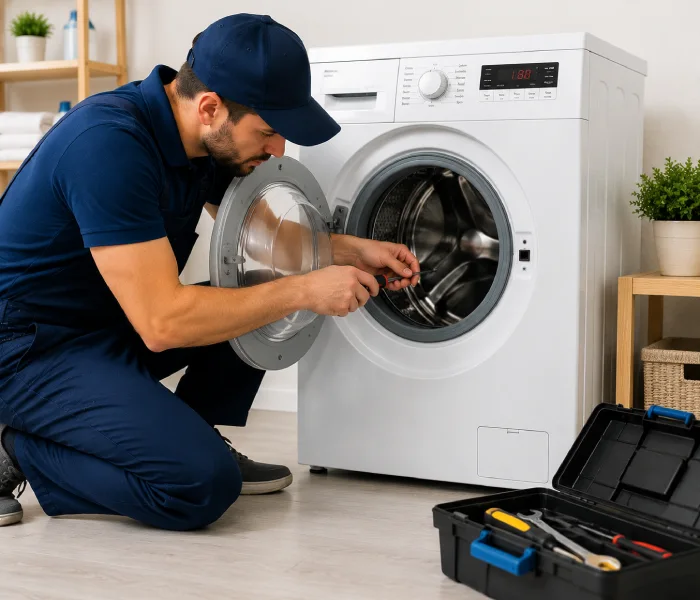
Not every maintenance task should be handled as a DIY project. Internal electrical, mechanical, cooling, gas, or sealed-system components may require professional diagnosis and service.
If an appliance is showing repeated problems, unusual electrical behavior, significant leaks, or other serious symptoms, professional inspection is the safer approach.
Signs Your Appliance May Need Professional Repair
Regular maintenance can help, but appliances can still develop problems over time. Contact a professional if you notice:
Refrigerator not cooling
Freezer temperature problems
Washing machine not spinning
Washing machine not draining
Dryer not heating
Dishwasher not draining
Oven not heating
Stove burners not working
Cooktop not heating
Microwave not heating
Unusual appliance noises
Water leaks
Repeated error codes
Excessive vibration
Appliance repeatedly shutting off
Prompt attention to developing problems can help prevent further damage and may give you more repair options.
Professional Appliance Repair in NYC
Even with proper maintenance, household appliances eventually experience wear and component failures. When your appliance stops working correctly, professional diagnosis can help determine whether repair is an appropriate solution.
RPC Appliance Repair provides appliance repair services throughout New York City, including:
Manhattan
Brooklyn
Queens
The Bronx
Staten Island
We repair a wide range of household appliances, including refrigerators, washing machines, dryers, dishwashers, freezers, microwaves, ovens, ranges, cooktops, and stoves.
Why Choose RPC Appliance Repair?
RPC Appliance Repair focuses on reliable service, accurate diagnosis, quality workmanship, and practical repair solutions. Our goal is to help NYC homeowners keep their essential appliances operating properly for as long as reasonably possible.
Whether you need refrigerator repair in NYC, washing machine repair in NYC, dryer repair, dishwasher repair, or another appliance service, our team is ready to help.
Keep Your Appliances Running Longer
Regular maintenance does not guarantee that an appliance will never break down, but good care can help reduce unnecessary wear and keep appliances operating efficiently. Cleaning, proper loading, adequate ventilation, and addressing problems early are all simple steps that can make a difference.
If an appliance is already showing signs of a problem, don’t wait until the issue becomes worse.
Call RPC Appliance Repair today: +1 786-524-1646
Fast. Reliable. Professional Appliance Repair in NYC.